
Card of the day · 26 October 2026
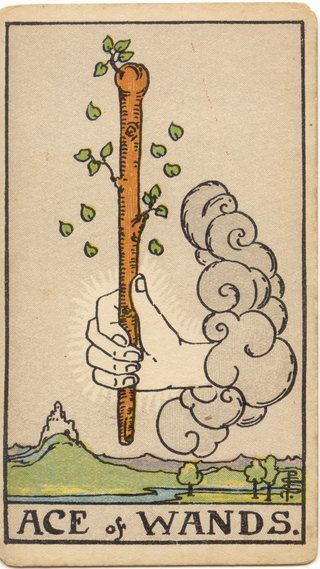
Ace of Wands
new energy · inspiration · a creative start · the will to act
Act on the idea while it still has heat in it. You do not need the whole plan, only the first move: write it down, make the call, sketch the thing.
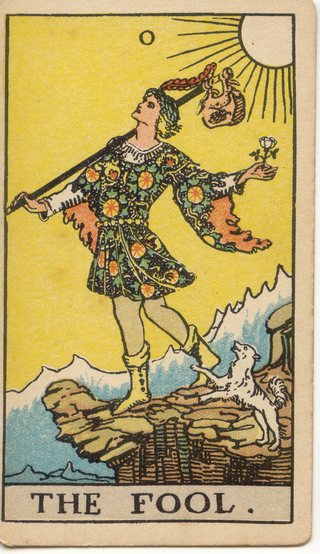 The Fool
0
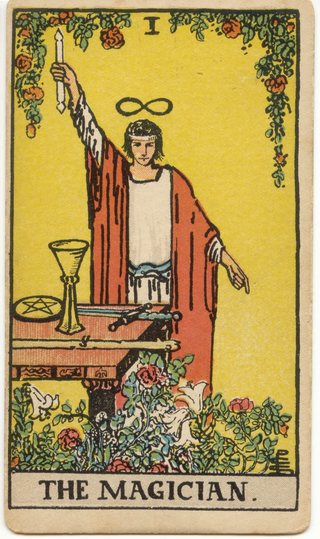 The Magician
I
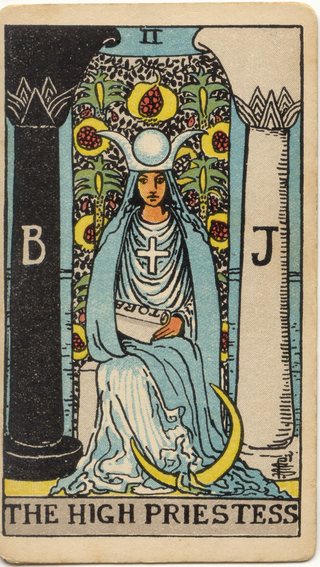 The High Priestess
II
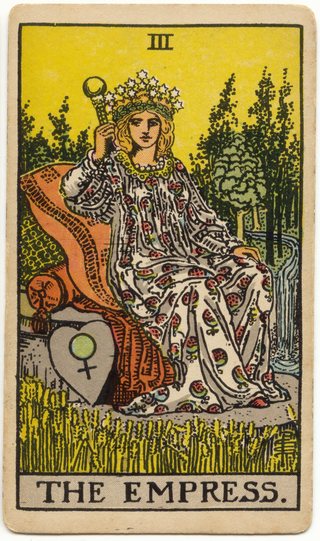 The Empress
III
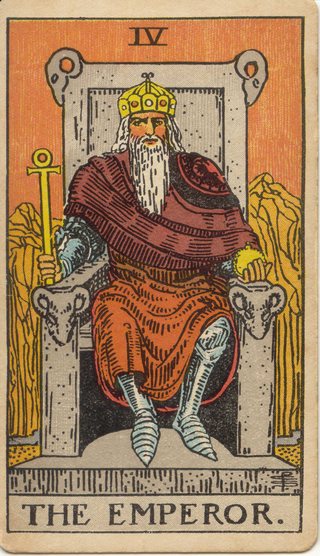 The Emperor
IV
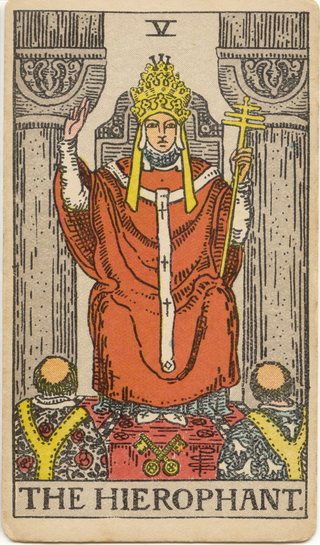 The Hierophant
V
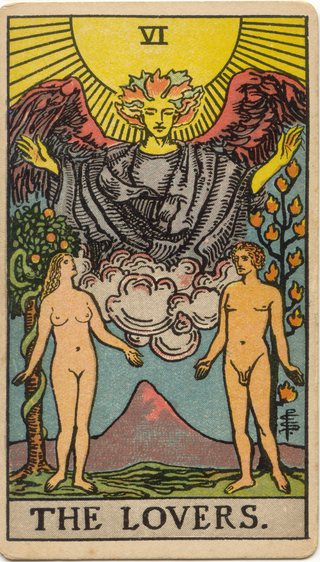 The Lovers
VI
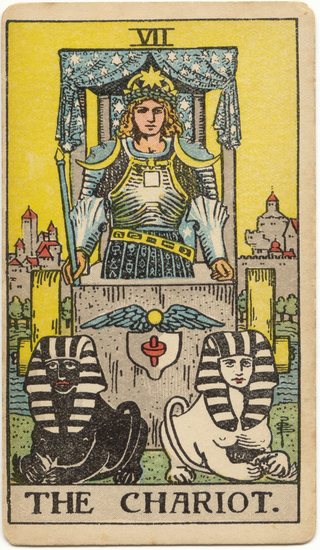 The Chariot
VII
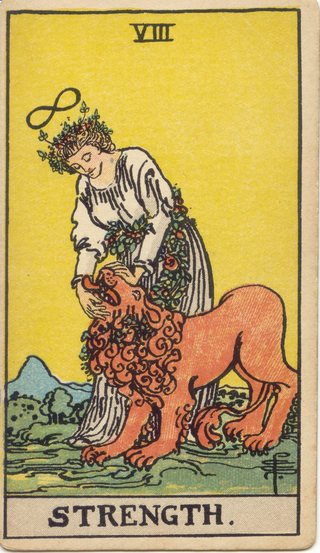 Strength
VIII
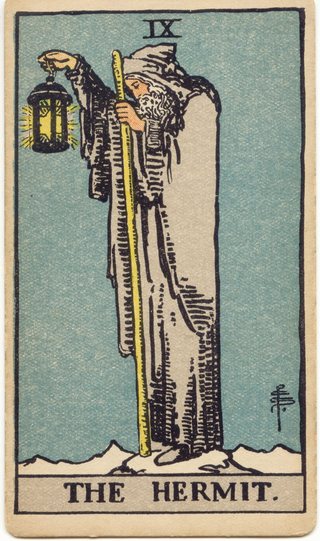 The Hermit
IX
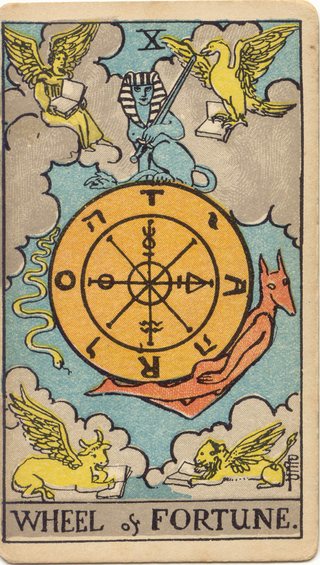 Wheel of Fortune
X
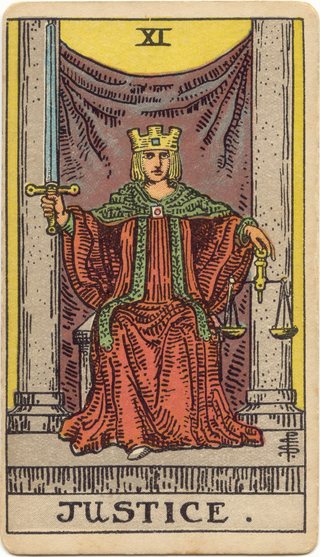 Justice
XI
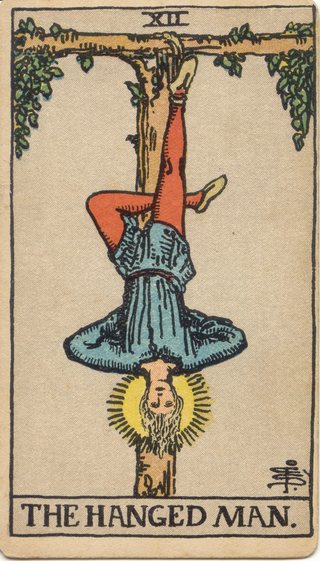 The Hanged Man
XII
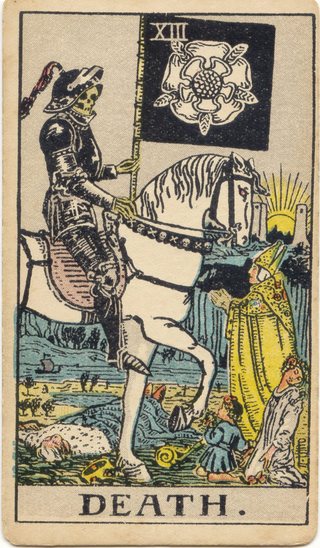 Death
XIII
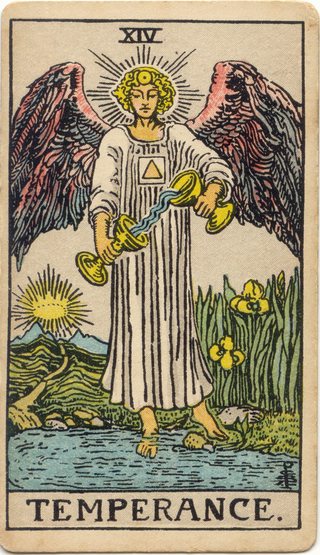 Temperance
XIV
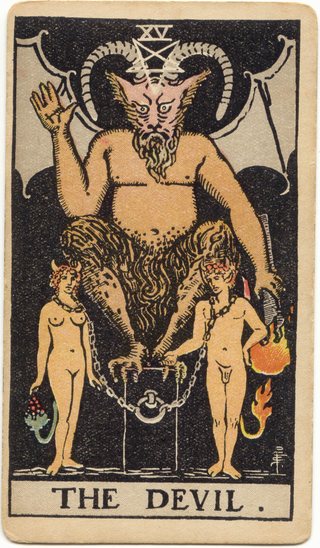 The Devil
XV
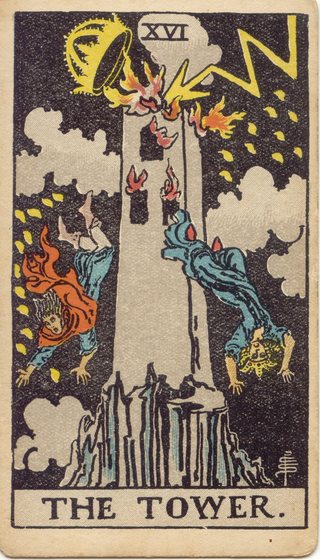 The Tower
XVI
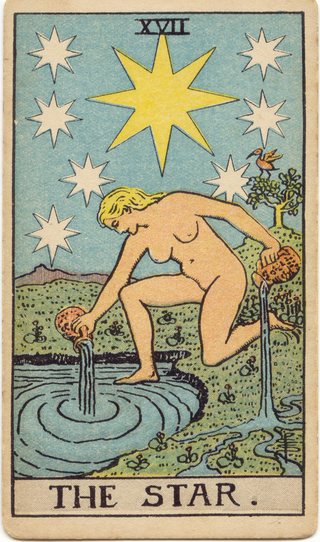 The Star
XVII
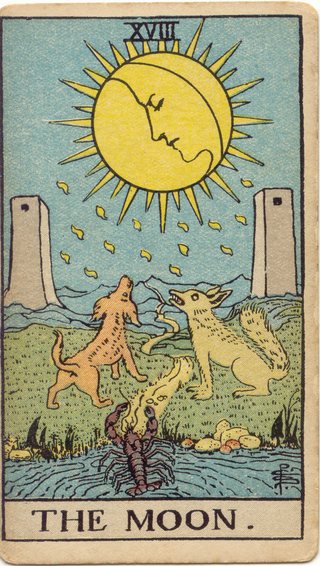 The Moon
XVIII
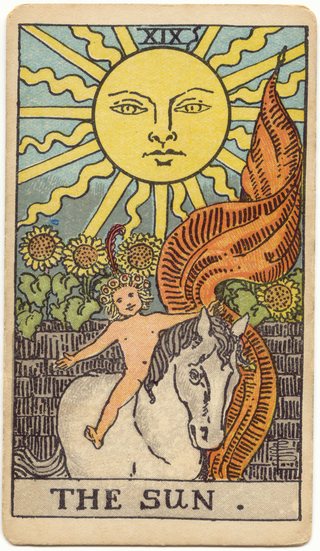 The Sun
XIX
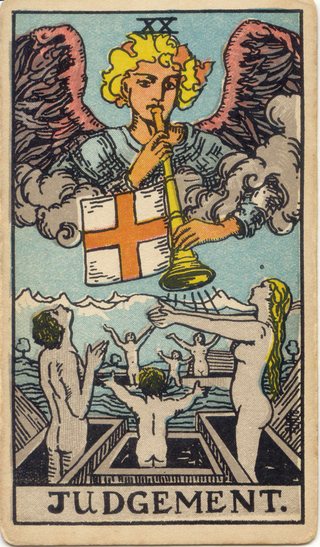 Judgement
XX
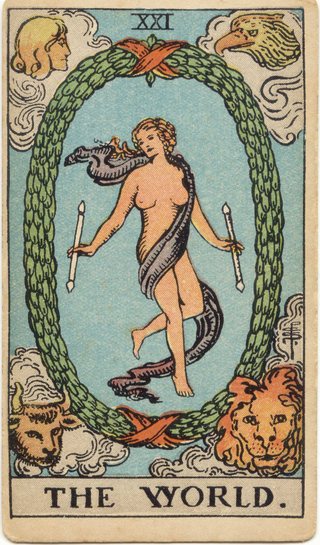 The World
XXI
The four suits
All 78 cards
Wands
🜂 Fire
The suit of Wands in tarot: fire, will and ambition, read through Pamela Colman Smith's living, sprouting staves from Ace to King.
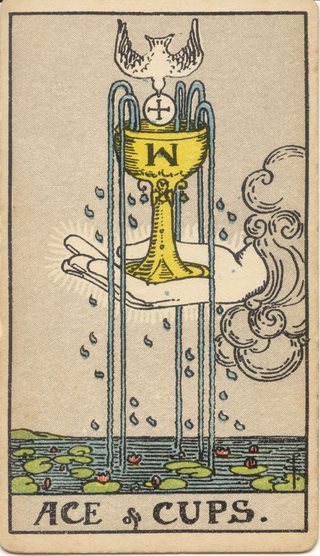 Cups
🜄 Water
The suit of Cups in tarot: water, feeling and relationship, traced through Smith's chalices from the overflowing Ace to the rainbow of the Ten.
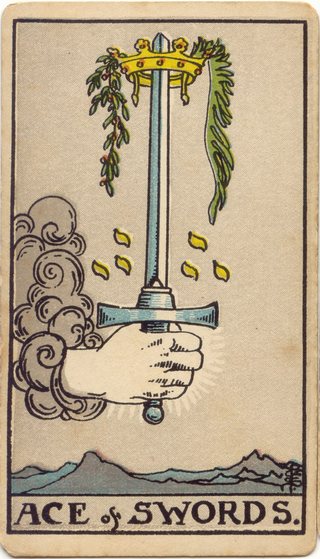 Swords
🜁 Air
The suit of Swords in tarot: air, thought and conflict, from the crowned clarity of the Ace through the hard middle cards to the Ten.
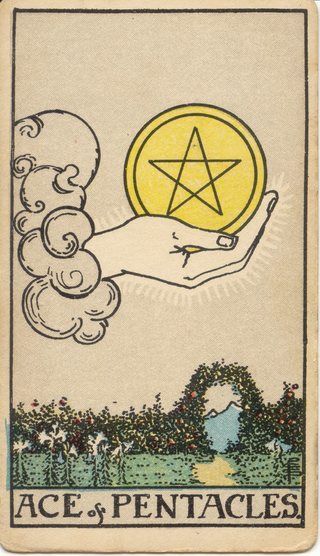 Pentacles
🜃 Earth
The suit of Pentacles in tarot: earth, work and the material world, from the garden of the Ace to the family estate of the Ten.
Spreads
All 13 spreadsRead the symbols
Symbol indexSmith packed her cards with images that recur from card to card: pomegranates, lilies and roses, pillars, lions, the lemniscate, the dog and the wolf. The symbol index gathers each one across the deck.
Lemniscate (infinity sign)PomegranatesRed rosesWhite roseWhite liliesPillarsVeil and tapestryCrownsLionThe sunCrescent and full moonStarsWater, rivers and poolsMountainsSunflowersGrapes and vines
How this site treats tarot
Tarot began as a card game in fifteenth-century Italy and became a tool of divination only in the late eighteenth century. Arcanebra treats it as a rich symbolic tradition and a prompt for reflection: a way of looking at a question from a new angle. The cards do not predict the future, and nothing here is advice about health, money or the law. More about this site · The history of tarot